Industrial weighing with useful data

Turn a weight reading into an operational decision.

SmartScale.co.za helps factories, warehouses, farms and logistics teams connect weighing equipment to operators, printers, software and process controls—without replacing working scales unnecessarily.

CaptureReliable weight and operator data
ConnectScales, tablets, scanners and printers
ControlRecords, alerts and process actions
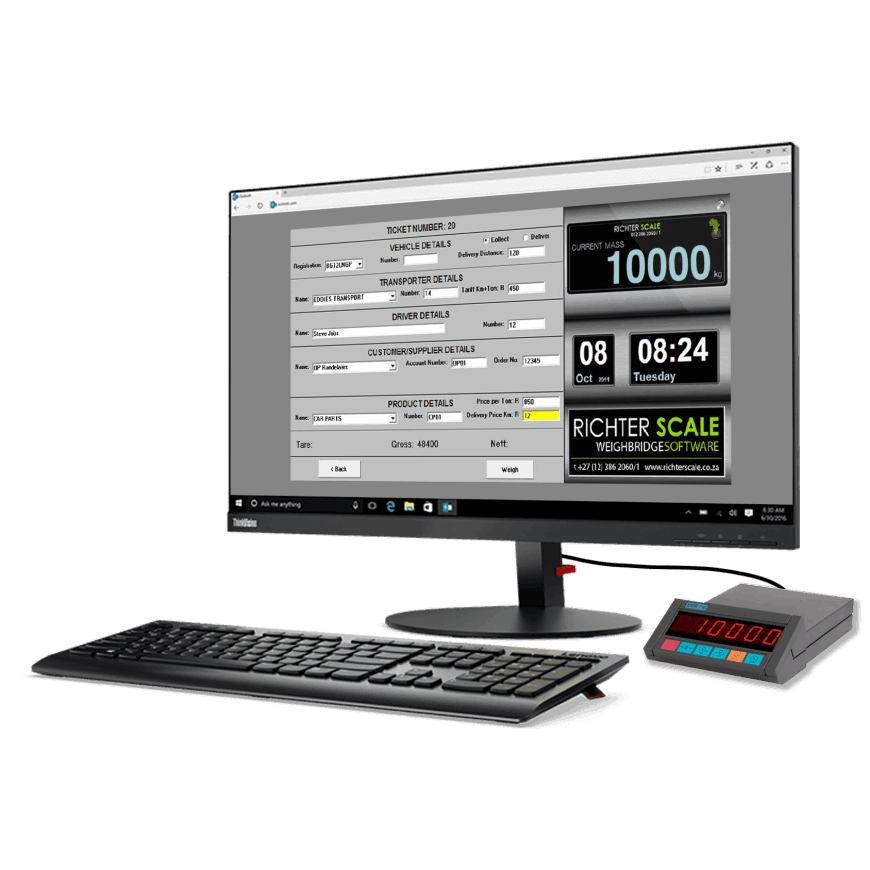
Computer and weighing indicator connected as a smart scale systemExisting scale + connection + workflow

What makes a scale smart?

Not a buzzword. A connected weighing workflow.

A smart scale combines suitable weighing hardware with identification, data capture and a clear next action. The value comes from the complete process—not WiFi alone.

1 · Measure

Capture a stable weight

Start with the right capacity, accuracy, platform, load cells and indicator for the job and environment.

  • Fit-for-purpose weighing hardware
  • Calibration and routine checks
  • Stable, repeatable readings
2 · Add context

Know what was weighed

Connect the result to a product, batch, vehicle, operator, supplier, customer or job number.

  • Barcode and QR scanning
  • Operator or NFC identification
  • Time, date and transaction reference
3 · Use the data

Trigger a useful outcome

Print a label, save a record, update stock, compare a target or control a connected process.

  • Reports and exports
  • Target and tolerance checks
  • Lights, relays and process control

The smart-scale chain

Five linked decisions make the system useful.

Choose each layer around the operation, then test the full workflow with the people who will use it.

01

Weigh

Scale, platform, load cells and indicator.

02

Identify

Product, vehicle, batch, operator or order.

03

Connect

Serial, Bluetooth, network or approved interface.

04

Act

Print, count, accept, reject, alert or control.

05

Prove

Searchable records, reports and traceability.

Connected weighing applications

Start with the operational outcome.

SmartScale.co.za groups the equipment around the job to be improved. Richter Scale can then confirm the scale, interface and accessories.

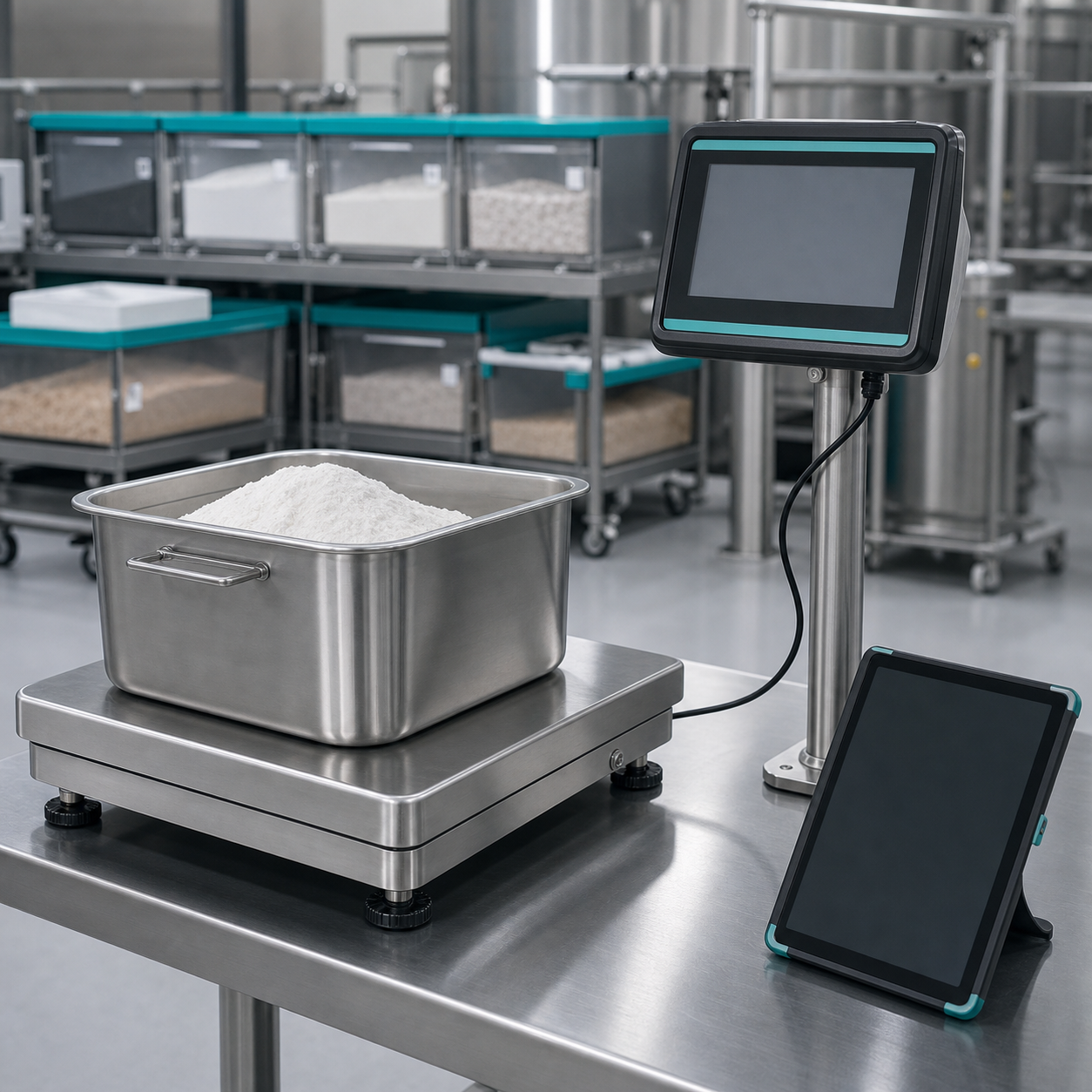
Connected stainless-steel batch and recipe weighing station
Production

Batch and recipe control

Guide operators through ingredients, target weights and tolerances while retaining a batch record.

Explore platform scales
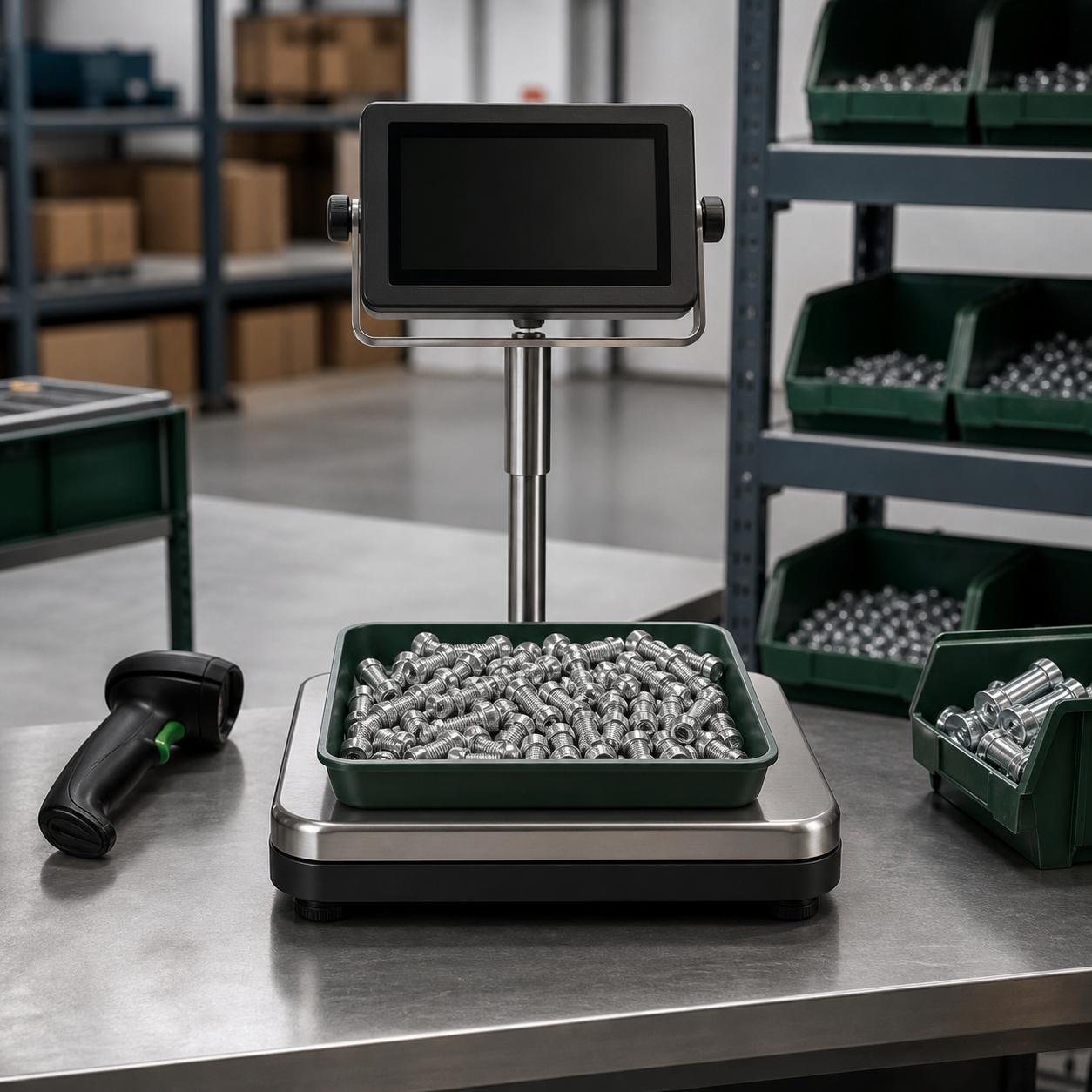
Industrial counting scale with fasteners, barcode scanner and stock bins
Inventory

Counting and stock control

Identify parts, sample-count accurately, calculate quantity and export the result for stock records.

Explore counting scales
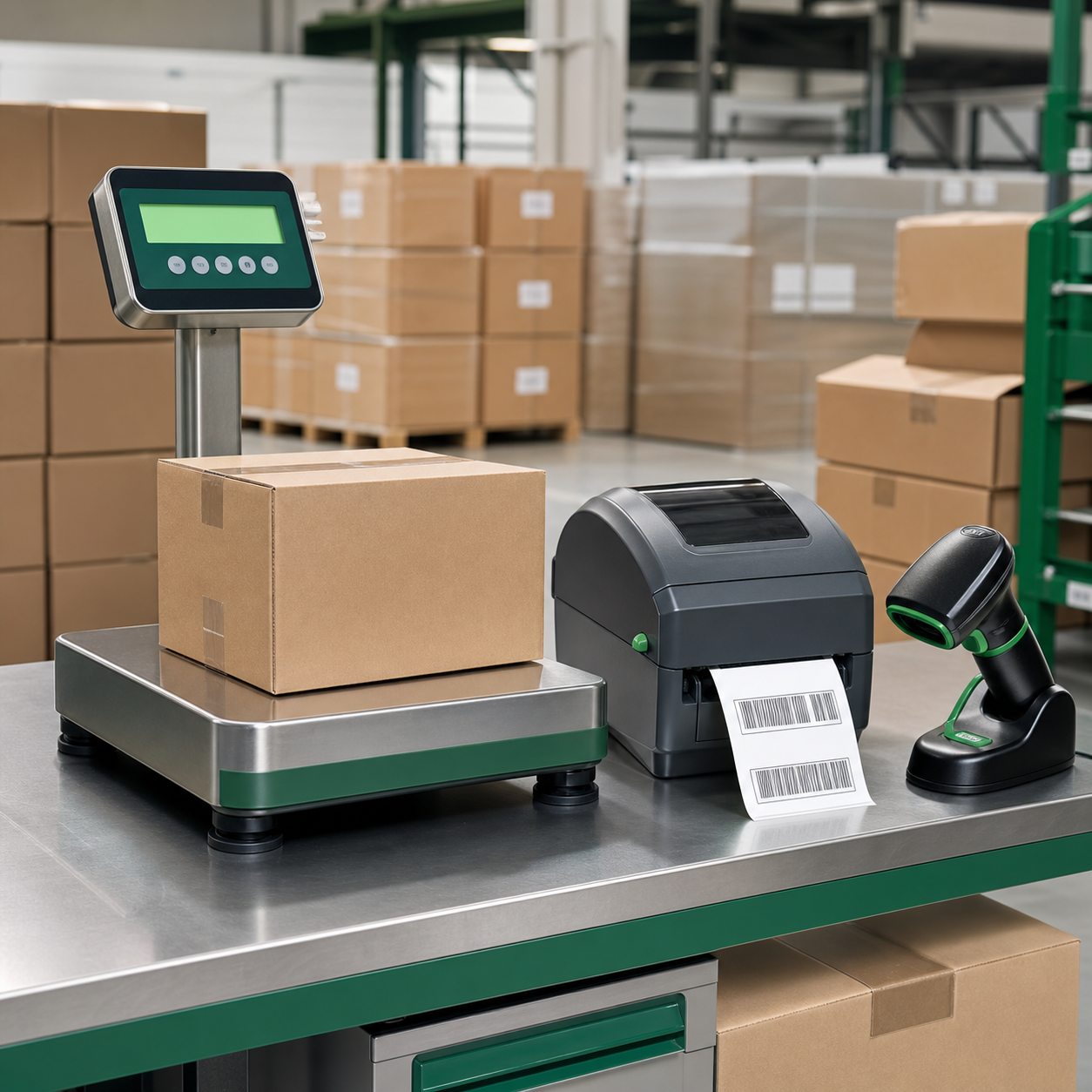
Parcel scale connected to a barcode scanner and thermal label printer
Dispatch

Labels and traceability

Combine weight with order or product data, then print consistent labels and retain the transaction.

Explore printing options
Pallet of cartons on a connected warehouse floor scale
Warehouse

Receiving and despatch

Record goods-in and goods-out weights against suppliers, customers, orders or pallet references.

Explore floor scales
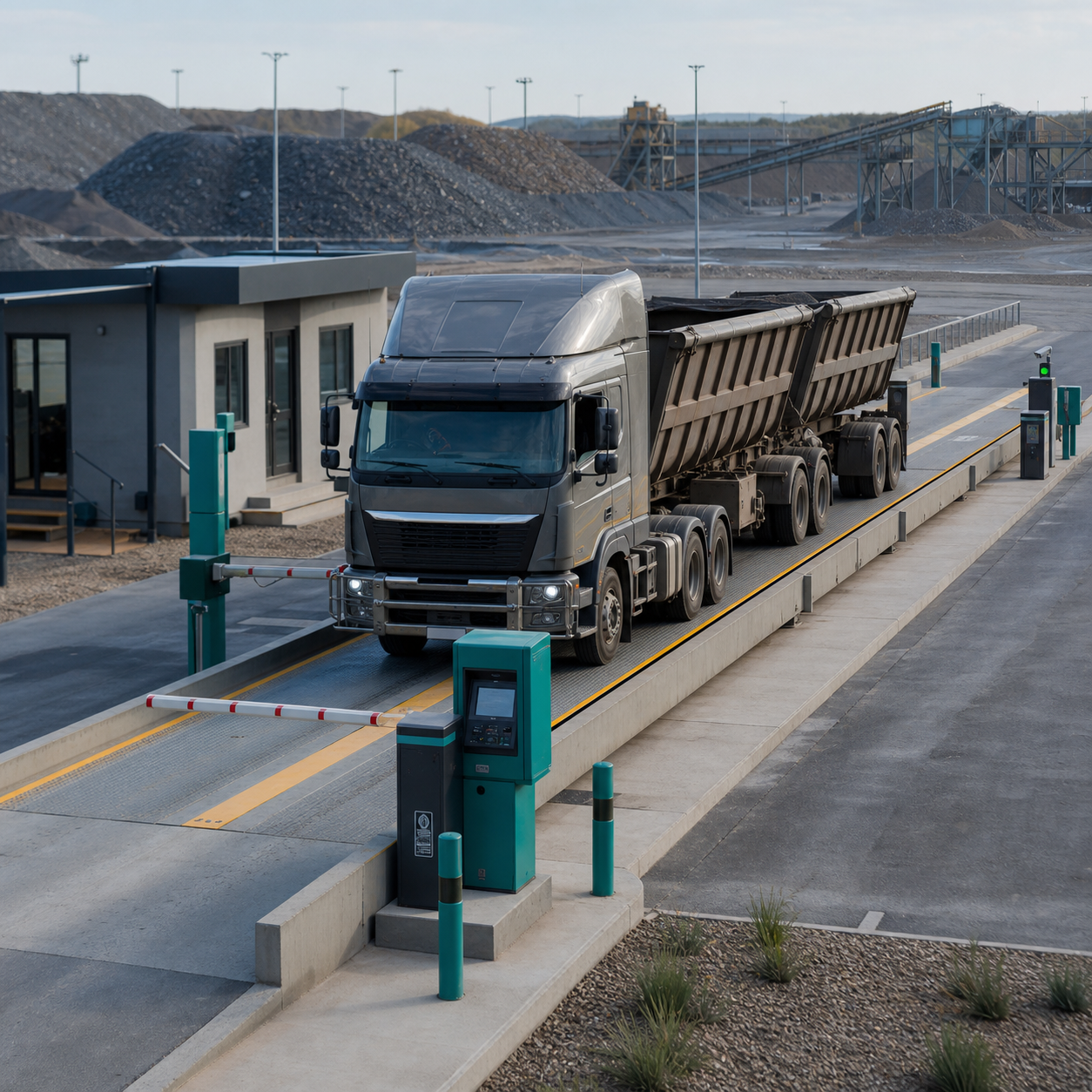
Connected truck weighbridge transaction at an industrial site
Vehicles

Weighbridge transactions

Link gross, tare and net weights to vehicles, drivers, loads and transaction records.

Explore weighbridges
Industrial weighing platform integrated with automated filling and process controls
Automation

Custom process control

Use targets, lights, relays, scanners or cameras where a weighing result must change what happens next.

Explore Richter Scale software

A practical upgrade path

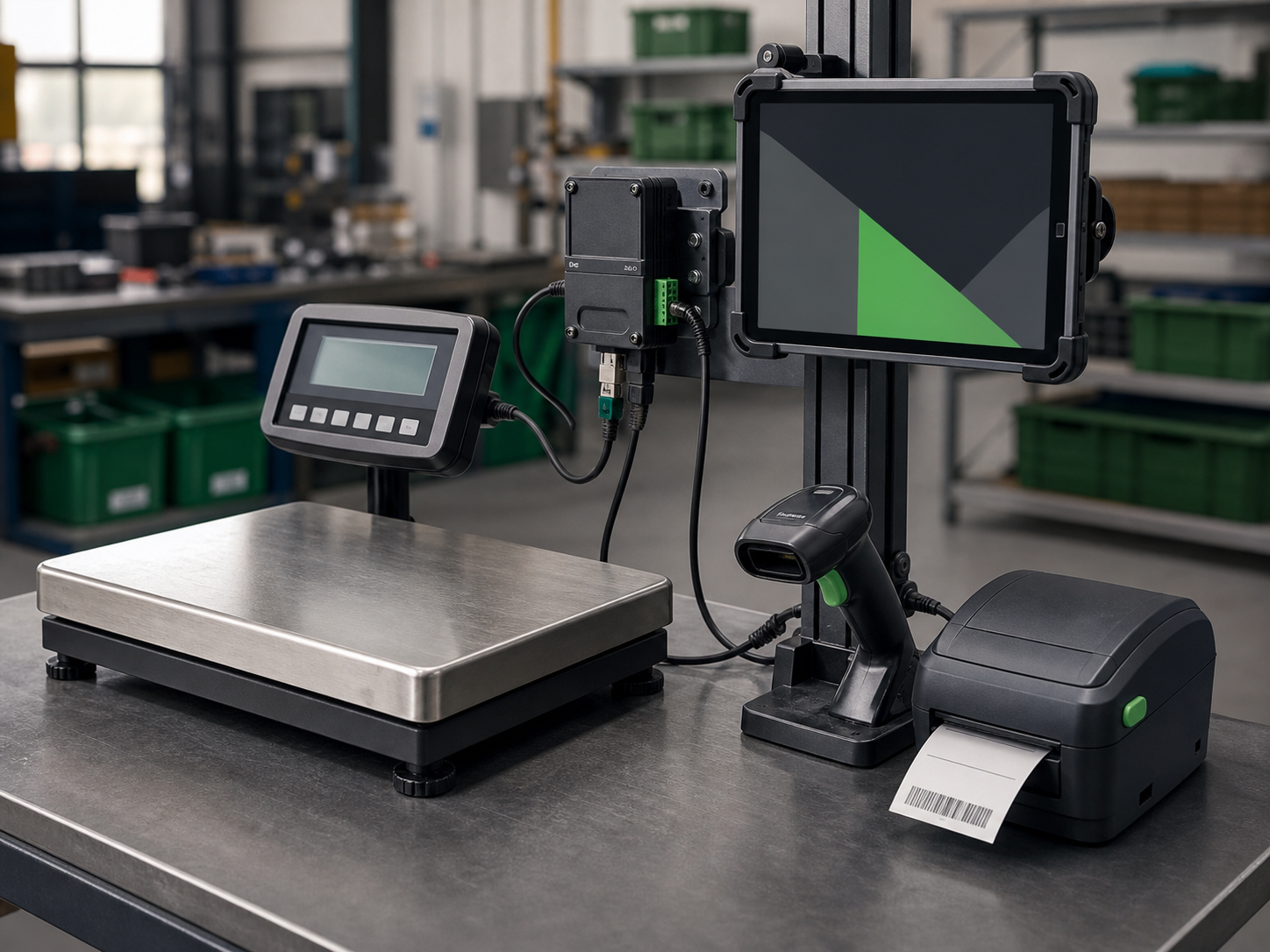
Make a compatible serial scale more useful with FT Lite.

FT Lite combines a serial connection node, smart display and weighing software to add operator guidance, records and peripherals to suitable equipment.

Existing industrial scale upgraded with a tablet, serial connection node, scanner and label printer

Smart-system finder

What should happen after the weight stabilises?

Choose the closest outcome. This is a practical starting point; capacity, accuracy, environment, trade use and integration must still be confirmed.

Start with connected data capture.

Define the reference fields that make each weight meaningful, then choose the scale interface and reporting format.

  • Product, batch, supplier, vehicle or job reference
  • Operator, date, time and stable weight
  • Search, export and retention requirements
Plan weight records

Start with a counting workflow.

Part consistency, sample size, target accuracy and stock identifiers determine the scale and process.

  • Smallest unit weight and largest container
  • Typical and maximum quantity
  • Barcode, stock-code and export requirements
Plan counting and stock

Start with the label and data fields.

Specify the physical label, printer, barcode format and information source before selecting the final connection.

  • Label size, material and print volume
  • Required barcode and human-readable fields
  • Product lookup and transaction history
Plan weighing labels

Start with a written control sequence.

Define what the operator sees and what the system must do for under, in-tolerance and over-target results.

  • Targets, tolerances and permissions
  • Lights, relays, gates, pumps or alarms
  • Fail-safe behavior and manual override
Plan process control

Plan before connecting

A dependable smart scale starts with a clear process.

Good systems are designed around normal work, exceptions and support—not only the ideal demonstration.

1

Map the workflow

Document who weighs what, where it comes from and what should happen next.

2

Confirm the weighing duty

Set capacity, readability, platform, environment, loading method and legal requirements.

3

Choose identifiers

Decide how products, batches, people, vehicles and jobs will be selected or scanned.

4

Define outputs

Specify labels, reports, file formats, integrations, alerts and process signals.

5

Test exceptions

Plan for unstable loads, wrong products, missing barcodes, network loss and overrides.

6

Support the system

Set calibration, backups, operator training, access control and maintenance ownership.

Powered by Richter Scale

From weighing hardware to the data around it.

SmartScale.co.za is a focused guide within the Richter Scale ecosystem, backed by broader equipment, calibration, repair and application support.

Bring Richter Scale the full requirement

  • What is weighed, and the minimum and maximum load
  • Required accuracy, platform size and operating environment
  • Whether the result is used for trade
  • Products, batches, operators or vehicles to identify
  • Labels, reports, exports or controls required
  • Existing scale brand, model and communication ports

Frequently asked questions

Connected weighing questions worth answering early.

Can an existing scale become a smart scale?

Often, yes—if its capacity, condition, indicator and available communication interface suit the application. Compatibility must be checked before promising an upgrade.

Does a smart scale need internet access?

No. Many useful systems work locally through serial, Bluetooth or a local network. Internet or cloud access is only needed when the chosen workflow requires it.

What data should be stored?

Store only what supports the process: typically weight, unit, date, time and a useful product, batch, operator, vehicle or job reference.

Can it print labels automatically?

Yes, with a compatible printer and correctly designed workflow. Label size, fields, barcode format and trigger conditions must be specified.

Can weighing control other equipment?

Suitable systems can signal lights, relays, alarms, gates or other controls, but the sequence and safe failure behavior need application-specific engineering.

Does connected weighing replace calibration?

No. Better records do not correct a poor measurement. The weighing instrument still needs suitable installation, routine checks, calibration and maintenance.

Smart Scale enquiries

Tell us what the weight needs to do.

This structured brief gives Richter Scale the information needed to recommend the weighing equipment, connection method and workflow. Required fields are marked with an asterisk.

1. Your contact details
2. Weighing application
3. Scale and load details
4. Data, identification and outputs
Required outputs and connections
5. Project timing

Submitting opens your email application with the completed brief addressed to Richter Scale. You can review it and attach photographs or specifications before sending.